
-
-
-
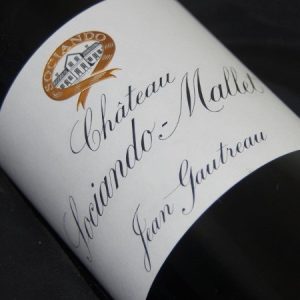
Château Sociando-Mallet, Haut Médoc
Château Sociando-Mallet is a dense, fresh, medium bodied Bordeaux, with a blackberry-like flavour and nose and spicy green streak. It is a relatively simple wine that drinks well above its weight and is an impressive example of this vintage, 1998. Château Sociando-Mallet was neither ranked in the Bordeaux Wine Official Classification of 1855, nor is it listed among Médoc’s Cru Bourgeois, simply due to the decision of its owner Jean Gautreau not to enter it for classification. Despite this, it consistently produces wines that outshine its neighbours that are classified. This is a vineyard that has been going from strength to strength in recent years.
£60.00 -
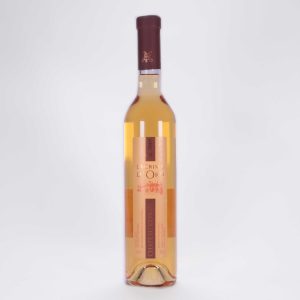
Château Kefraya
A glassful of sunshine… This natural sweet wine is made from a selection of golden Clairette grapes harvested in October, then softly pressed. It will enchant you with its gold shiny color and sweet aromas’ expression. – See more at: https://www.myeasycat.com/Products/Lacrimadoro-6879#sthash.zRAaUW8f.dpuf
£60.00Château Kefraya
£60.00 -
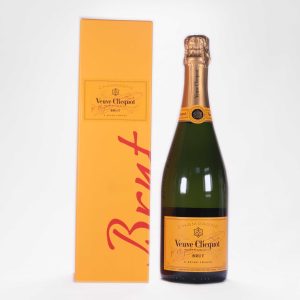
VEUVE CLICQUOT Yellow Label Champagne 75cl
A Champagne House is eventually judged on the quality of its Brut Non Vintage. It is in the making of such a wine that the true Art of Champagne blending reveals itself.
This is an art in which the House of Veuve Clicquot excels. Our Brut Yellow Label reflects the superb vineyards we own and the consistent nature of our House style. The predominance of Pinot Noir provides the structure that is so typically Clicquot, while a touch of Pinot Meunier rounds out the blend. Chardonnay adds the elegance and finesse essential in a perfectly balanced wine.
Grapes from as many as 50 to 60 different Crus go to the blending of Yellow Label. Traditionally, the proportion of each grape variety used is : 50 to 55% Pinot Noir – 15 to 20% Pinot Meunier – 28 to 33% Chardonnay.
These figures vary slightly from year to year according to conditions. The Chef de Caves has to achieve the total consistency of taste, which makes Yellow Label so immediately recognisable, so utterly reliable both in terms of quality, colour and bouquet.
He will draw on priceless Reserve wines for the blend: from 25 to 35%, sometimes as much as 40% to ensure the continuity of the House style. Each of these older wines – perhaps 9 years old – is kept separately to preserve the unique qualities of the vineyard and the vintage.
First, Yellow Label looks beautiful: golden-yellow, with a foaming necklace of tiny bubbles. Next it is so pleasing to the nose: initially reminiscent of white fruits and raisins, then of vanilla and later of brioche. Note the fine balance between the fruity aromas coming from the grape varieties and the toasty aromas following the ageing in the bottle.
The first sip delivers all the freshness and forcefulness so typical of Yellow Label with a symphony of fruit tastes following on. Here is a true member of the powerful Brut family, well structured, admirably vinous. The lingering aromas echo and re-echo, with each fruit or spice note distinct.
£60.00 -
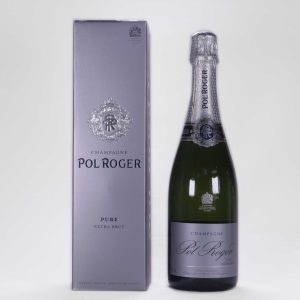
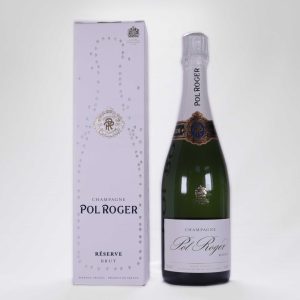
Pol Roger Pure Non Vintage 75cl
Champagne’s geographical location engenders capricious weather. For this reason, since their foundation in 1849 Pol Roger have observed the tradition of not releasing a vintage-dated champagne unless the climatic conditions permit the production of grapes of outstanding ripeness. A vintage champagne must, above all else, be a balanced champagne. This balance depends on the right blend of healthy grapes, a good potential alcohol and correct acidity. The first criterion for declaring a vintage wine is its capacity to age. Devotees who have the patience to age their champagnes are rewarded with a more complex and richer wine.
£60.00